Whether you're just starting to play the saxophone or already have experience, you've probably wondered how to choose a mouthpiece for your alto or tenor sax more than once. We'll tell you how, also considering whether you want a mouthpiece for jazz or classical music.
Ebonite, metal, or glass mouthpiece?
Saxophone mouthpieces can be made of different materials, although ebonite is the most common. But what is ebonite? It is a polymer resulting from the vulcanization of rubber, leading to something similar to ebony—hence its name. However, this does not mean that the best alto saxophone mouthpiece must be made of this material. In the market, we will find models made of other polymers, different metals, or glass.
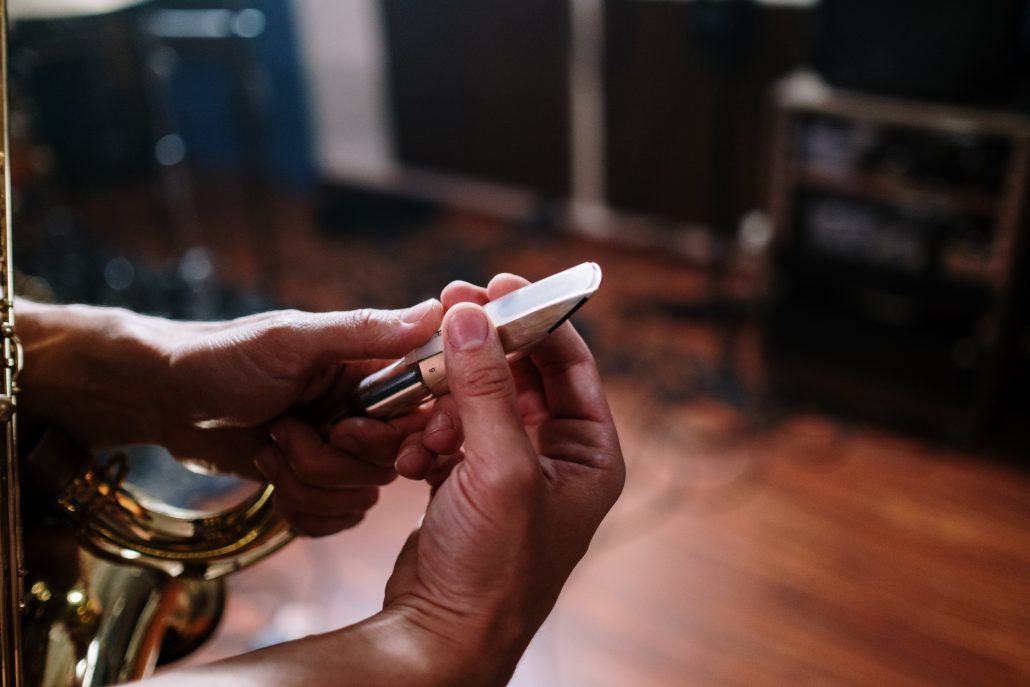
While material is something to consider, the sound also comes from other characteristics of the mouthpiece. For example, its dimensions and other finishing details that we will break down now.
What is the saxophone mouthpiece chamber?
Mouthpieces can have chambers of different sizes. Thus, saxophone mouthpieces with a concave and large chamber are usually recommended for playing more classical pieces. This is because they produce a softer, less harsh sound.
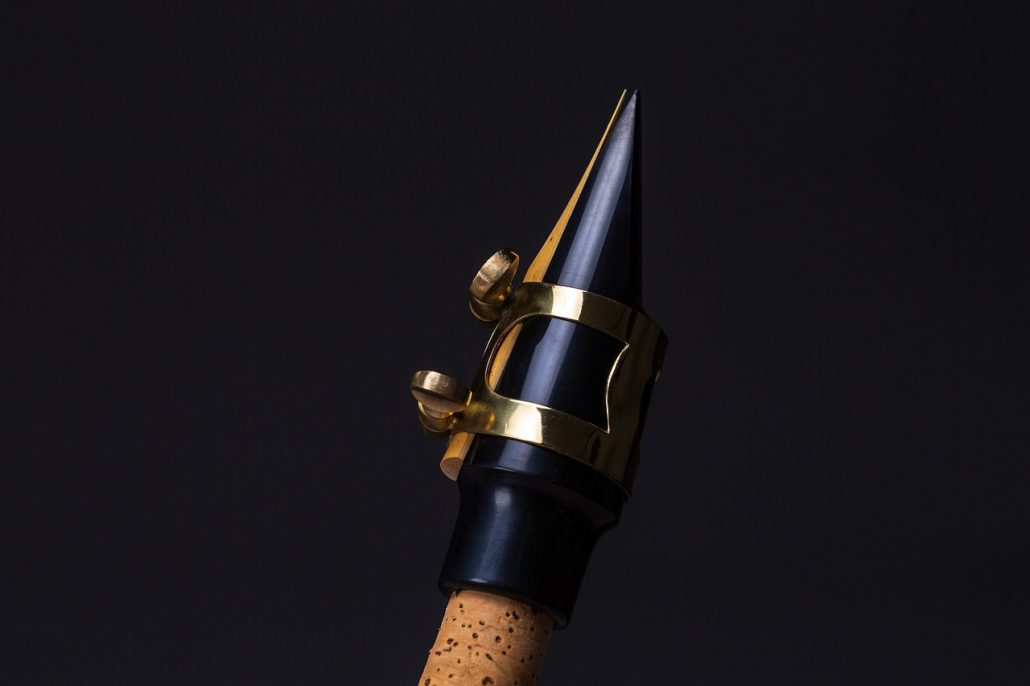
However, in jazz and popular music, saxophonists often play with reeds that are typically less tight. Additionally, they use open mouthpieces with smaller chambers. These are designed so that the baffle or "roof" of the mouthpiece is closer to the reed. This creates a faster and more direct airflow and therefore a clearer and more incisive sound. Although large openings and voluminous sound are commonly associated with metal mouthpieces, any mouthpiece can have one. This allows for greater flexibility in tuning, accommodating effects used in jazz or modern music.
The saxophone mouthpiece tip opening
When considering how to choose a saxophone mouthpiece, its tip opening is important. It will directly influence the sound emission, as it is the space between the reed and the mouthpiece. But how does it really affect it? A larger opening allows for greater reed vibration but also requires more airflow. Conversely, a smaller opening makes the reed's vibration more sensitive.
Conclusions
As we have seen, the material of a mouthpiece is not a decisive factor when choosing a mouthpiece for saxophone, whether tenor, alto, or soprano. Other parts like the tip opening or the chamber size can also be important for the intended musical style.
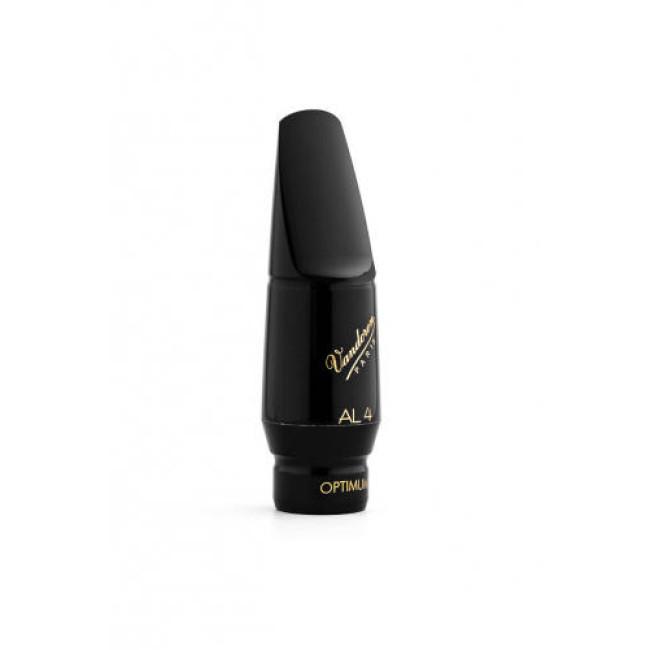
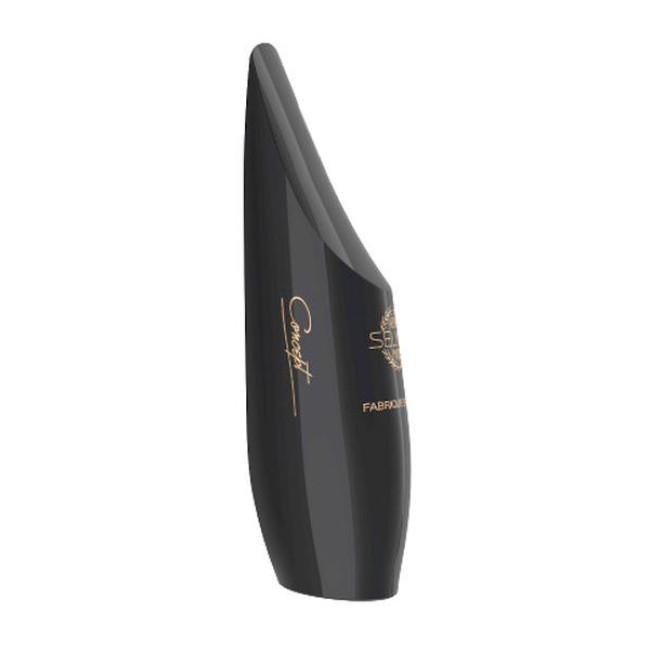
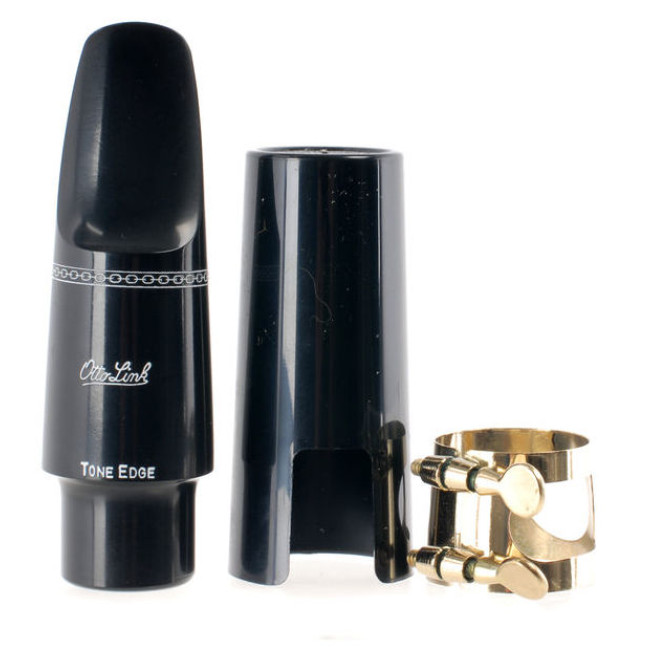
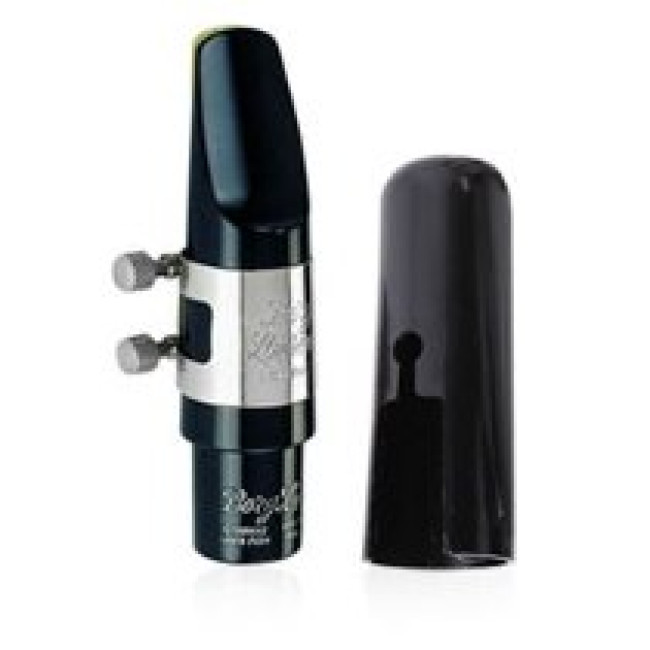
Below, we leave you some recommended mouthpiece models from brands like Selmer or Vandoren. But don't hesitate to write to us if you have any questions, as always!